
Introduction
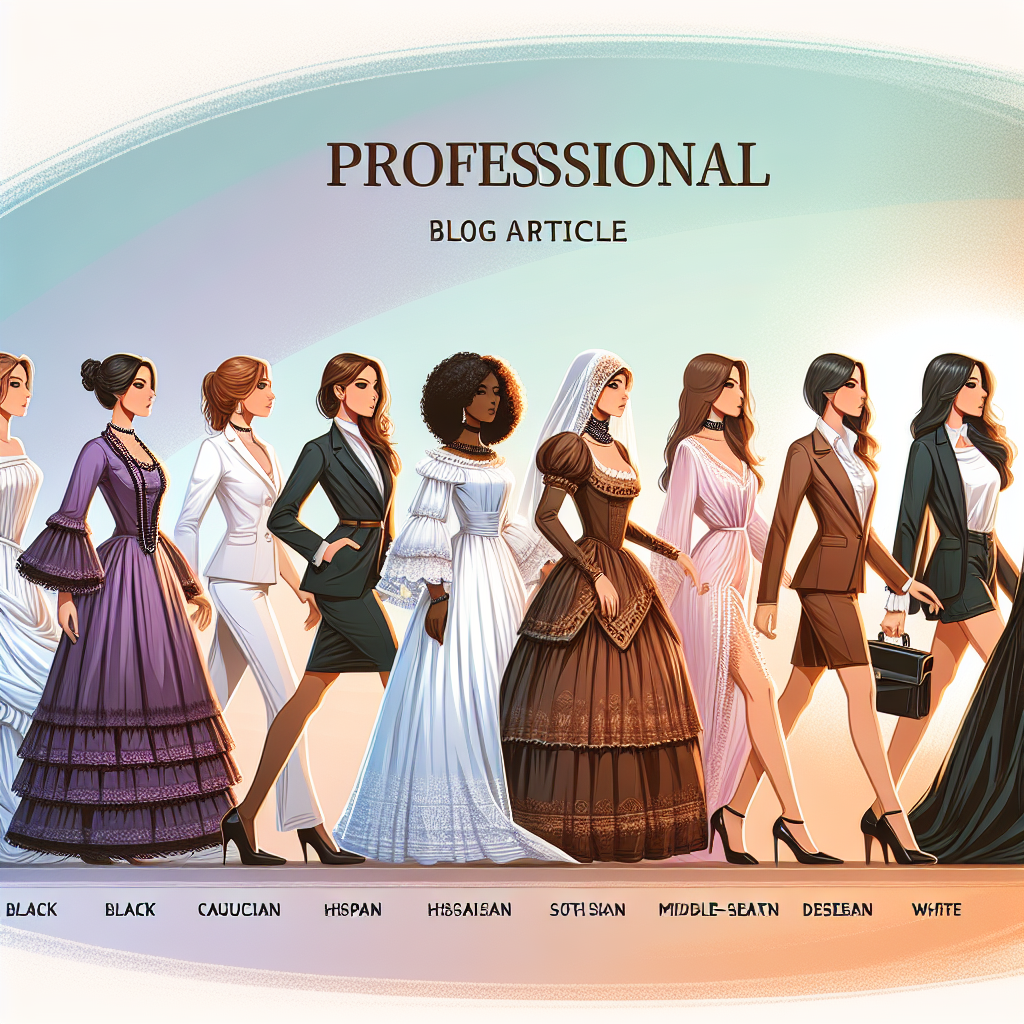
The world of fashion is as dynamic as it is influential, continuously shaping and being shaped by the society around it. For women, dress has always been a particularly poignant aspect of fashion, serving as a mirror reflecting societal norms, cultural values, and technological progress. This article delves into the evolution of women’s fashion, focusing on the iconic “dress” and how its transformations have paralleled changes in the global landscape.
The Historical Significance of the Dress
Early Beginnings
The history of the dress can be traced back to ancient civilizations where it was more about function than fashion. In ancient Egypt, for instance, the traditional garb for women was a simple sheath dress known as a kalasiris. This garment, which was typically made from linen, highlighted the practical need for cool clothing under the harsh sun.
The Middle Ages to the Renaissance
During the Middle Ages, dresses became more elaborate with the introduction of tailoring techniques that allowed for more fitted designs. By the Renaissance period, women’s dresses had transformed drastically, featuring voluminous skirts, intricate embroidery, and luxurious fabrics like silk and velvet, reflecting the era’s artistic and cultural flourishing.
The Industrial Revolution and its Impact
The Industrial Revolution was a turning point in the manufacture and accessibility of clothing. The invention of the sewing machine in the 19th century, for instance, made mass production of garments possible, democratizing fashion in unprecedented ways. Women’s fashion during this era saw the introduction of the crinoline, a structured underskirt that allowed for wide, bell-shaped skirts.
20th Century: A Century of Rapid Changes
The Roaring Twenties
The 1920s signaled significant changes with the flapper dress, embodying the spirit of liberation and rebellion. This era’s dresses were shorter, looser, and adorned with fringes and sequins, facilitating the lively dances of the Jazz Age.
Post-War Fashion
After World War II, fashion mirrored the return to normalcy and prosperity. Christian Dior’s introduction of the “New Look” in 1947, characterized by a cinched waist and a full A-line skirt, marked a return to opulent, ultra-feminine styles.
The Swinging Sixties and Beyond
The 1960s broke many fashion norms; the mini dress emerged, typifying youth culture and the growing feminist movement. As the decades progressed, women’s fashion continued to evolve, embracing everything from the bohemian styles of the 1970s to the power suits of the 1980s.
The 21st Century: Global Influences and Technological Innovations
Today, women’s fashion is more diverse than ever, influenced by global trends and driven by technological advancements. The rise of e-commerce platforms and fashion tech, like AI and VR, has transformed how women interact with fashion. Sustainable fashion has also gained traction, with an increasing number of women choosing eco-friendly dresses made from sustainable materials.
Conclusion
The journey of women’s fashion, particularly the evolution of the dress, is a vivid narrative of societal change, technological advancements, and cultural interactions. From the simple, functional garments of ancient times to the elaborate, statement-making pieces of today, women’s dresses continue to be both a form of personal expression and a reflection of the times. As we look to the future, the fashion industry promises to continue its evolution, marrying style with sustainability, and tradition with innovation, ensuring that the dress remains a central, dynamic component of women’s fashion.
Understanding the history and ongoing evolution of women’s fashion not only enriches our appreciation of this art form but also empowers us to make more informed choices about our personal style and its impact on the world around us.